Types Of Tractor Hitches . The hitch is attached directly to the frame of your tow vehicle. Each type may vary in how it is mounted, how it is actuated, the materials that it if fabricated from and various other design aspects. Tractor Hitch Attachment (SWL 3.5Ton Ball & Pin Hitch) Multec Ltd from multec.co.uk There are different types of trailer tow hitches that are used in different locations and situations to tow damaged or broken trailers. A trailer hitch can take the form of a tow ball for optimal swiveling and articulation of the towed trailer, a tow pin, a tow hook with a trailer loop; Commercial duty (cd) class 5 hitches have a 2.
C# Decimal Data Type. Declare @decimal decimal(5,2)=5.12 declare @smallint smallint set @smallint=@decimal print(@smallint) /* 5 */ please check your code. It is important to use the correct data type.
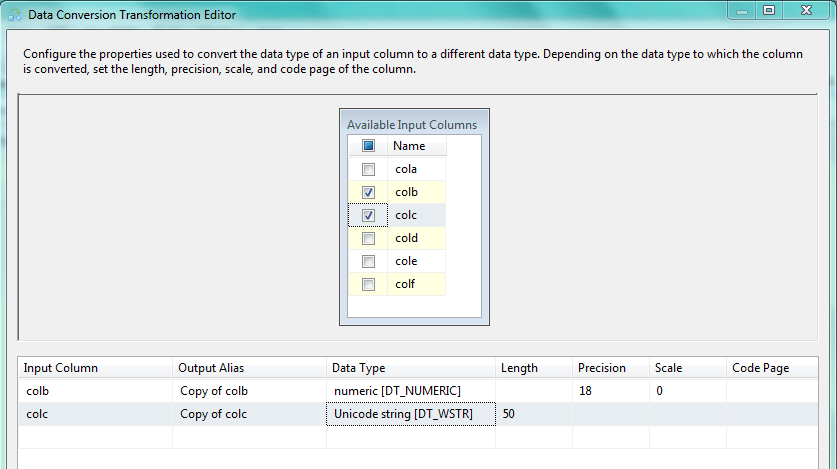
c SSIS Unable to cast object of type 'System.Decimal' to type from stackoverflow.com
The.net designers decided to use the com automation currency type to implement system.decimal, the dominant implementation back then thanks to visual basic. It means we must declare the type of a variable that indicates the kind of values it is going to store, such as integer, float, decimal, text, etc. Call methods like decimal.ceiling and floor.
Some Examples Are Int, Char, And Float, Which Stores Numbers, Alphabets, And Floating Point Numbers, Respectively.
The decimal type is a value type. These are the types that. In some c# programs (like those with financial data) rounding errors are harmful—decimal helps.
The Decimal Type Does Not Eliminate The Need For Rounding.
We have to use ‘m’ or ‘m’ as a suffix with the literal, to represent a decimal value. It is important to use the correct data type. A data type specifies the size and type of variable values.
C# Decimal Examples Use The Decimal Number Type To Store Numeric Data.
This is extremely unlikely to change, way too much code around that takes a dependency on the internal. As an example look at the following code: The decimal type is a value type and has the plus, minus, multiply and divide operators.
C# Numeric Type Decimal Is Intended For Use In Monetary Calculations.
Decimal also has other features, as we see later. > decimal d1 = 3.99m; Rather, it minimizes errors due to rounding.
2) The Code Return Math.round (N/Precision, Precision).Tostring () Does Not Compile Due To An Ambiguity Between Math.round (Double, Int) And Math.round (Decimal, Int).
Before assigning values, it needs type conversion. The reason why the decimal suffix is m and not another letter like d is because the double data type already took the letter d. When a variable of a value type is.


Comments
Post a Comment